Introduction
Diabetic eye screening is very important for people with diabetes. Every year, an annual eye exam for diabetes can help prevent diabetic retinopathy and other eye problems. Early checks protect your eye health for diabetics and lower the risk of vision loss. In fact, regular screening helps find changes before you notice any symptoms. For this reason, yearly eye exams are a must for everyone with diabetes.
What Is Diabetic Eye Screening?
Diabetic eye screening is a special eye check for people with diabetes. It looks for early signs of damage in the eyes. Usually, the main focus is on the retina, which is the part of the eye that senses light. The test can spot problems before you feel any changes in your vision. Because of this, screening helps protect your eyesight.
Why Is Annual Screening Essential for People With Diabetes?
People with diabetes have a higher risk of eye problems. However, many eye diseases do not show symptoms at first. Annual screening helps find issues early. According to the CDC, early treatment can prevent up to 90% of diabetes-related vision loss. So, yearly checks are the best way to keep your eyes healthy.
Risks of Skipping Yearly Eye Exams
Missing your annual diabetic eye screening can be risky. Without regular checks, eye problems may go unnoticed. Over time, this can lead to serious damage. For example, untreated diabetic retinopathy can cause blindness. In addition, skipping exams may delay treatment for other eye diseases like glaucoma or cataracts. Therefore, it is important to never miss your yearly eye exam.
How Diabetic Eye Screening Works
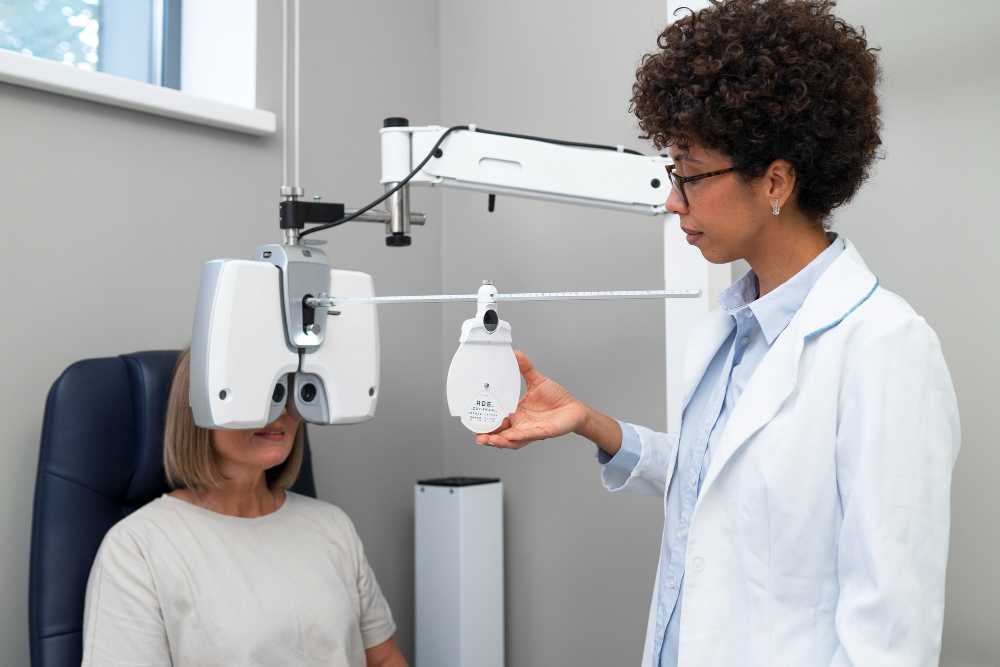
During a diabetic eye screening, the eye doctor will check your eyes in several ways. First, they may use eye drops to widen your pupils. This helps them see the back of your eye clearly. Next, they will take pictures or use a special light to look at your retina. Sometimes, you may need more tests if the doctor sees any changes. The whole process is quick and painless.
Early Detection and Prevention of Vision Loss
Early detection is key to preventing vision loss in people with diabetes. When problems are found early, treatment can start right away. As a result, you have a better chance of keeping your vision. Treatments may include medicine, laser therapy, or changes in your diabetes care plan. According to the World Health Organization, regular screening is one of the best ways to prevent blindness from diabetes.
Tips for Preparing for Your Eye Screening
Getting ready for your diabetic eye screening is simple. Still, a few tips can help make your visit easier:
By following these steps, you can make your screening smooth and stress-free.
Frequently Asked Questions About Diabetic Eye Screening
In summary, diabetic eye screening is a must every year for people with diabetes. It helps prevent vision loss and keeps your eyes healthy. Consult an eye specialist for your annual diabetic eye screening and protect your vision.