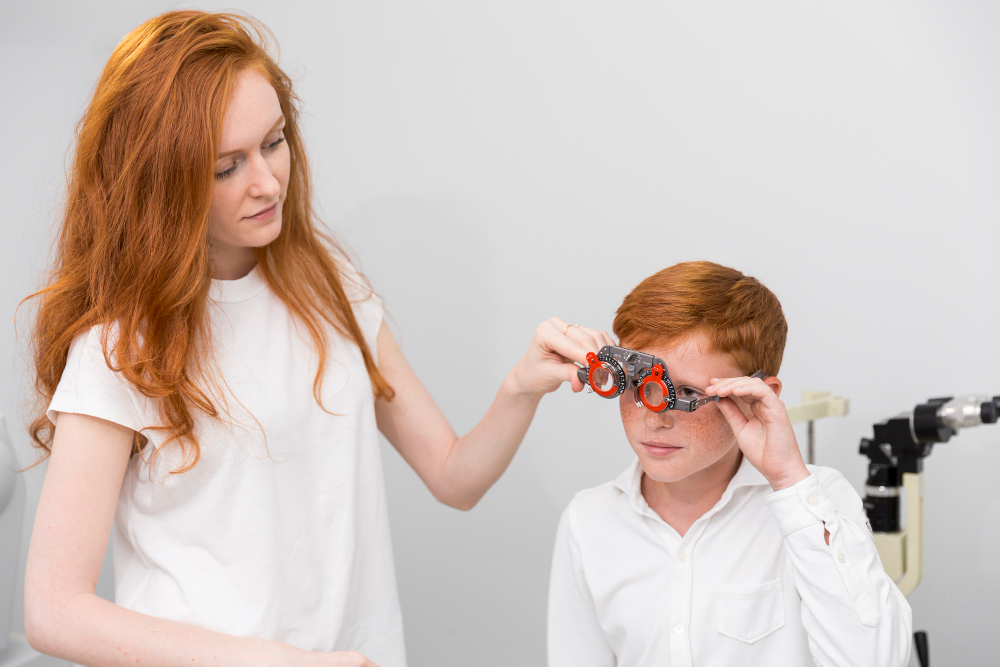
What Is Eye Muscle Trauma and Misalignment?
Eye muscle trauma happens when the muscles that move your eyes get hurt. This can lead to misalignment, where the eyes do not point in the same direction. Often, this problem is called strabismus after trauma. Early intervention is important because waiting can make the problem worse. If you act quickly, you can protect your vision and eye health after injury.
Common Causes and Risk Factors
Many things can cause eye muscle injury and misalignment. For example, accidents or sports injuries may damage the eye muscles. Sometimes, surgery near the eyes can also lead to problems. In addition, certain health conditions may increase your risk. Here are some common causes:
Because anyone can have an accident, it is important to know the risks. Children and older adults may be more likely to get hurt.
Recognizing Symptoms Early
Early treatment for eye misalignment starts with knowing the signs. If you notice any of these symptoms, act fast:
Sometimes, children may tilt their head or close one eye to see better. If you see these signs, early help can make a big difference.
How Is Eye Muscle Trauma Diagnosed?
Doctors use several steps to check for eye muscle trauma and misalignment. First, they ask about your injury and symptoms. Next, they look at how your eyes move. Sometimes, special tests or scans are needed. These tests help find out which muscles are hurt. According to the CDC, early diagnosis helps prevent long-term problems. If you live in a city with good eye care, like New York or Los Angeles, you may find help quickly.
Treatment Options and Early Intervention
Early treatment for eye misalignment gives the best chance for recovery. Treatment depends on how bad the injury is. Here are some common options:
Because every case is different, your doctor will choose the best plan for you. The World Health Organization says early care can prevent lasting vision loss.
Prevention and Lifestyle Tips
While not all injuries can be avoided, you can lower your risk. Try these tips to protect your eyes:
In addition, regular eye check-ups help catch problems early.
When to See an Eye Specialist
If you notice any symptoms of eye muscle trauma or misalignment, do not wait. Early action can save your sight. See an eye specialist if you have:
Remember, early treatment for eye misalignment leads to better results. If you need eye care in your area, look for a trusted clinic or hospital.
If you notice any symptoms of eye muscle trauma or misalignment, consult an eye specialist promptly for personalized care.